What Is Rock Music?
Rock music is one of the most influential and recognizable genres in the history of popular entertainment. Known for its powerful guitar sounds, energetic drum rhythms, expressive vocals, and memorable melodies, it has entertained generations of listeners around the world. However, rock music is much more than loud instruments and energetic performances. It represents creativity, freedom, personal expression, and the ability to communicate powerful emotions through sound. Whether someone enjoys emotional rock ballads, energetic guitar solos, or aggressive heavy rock performances, this genre offers something for almost every musical taste.
A typical rock song features electric guitars, bass guitars, drums, and vocals. Some artists also include keyboards, synthesizers, acoustic instruments, and orchestral arrangements to create different musical experiences. The electric guitar often takes center stage because it can produce everything from soft melodic sounds to powerful distorted riffs. Drums establish the rhythm, while bass guitar adds depth and connects the melody with the beat. Together, these instruments create the recognizable sound that makes rock music so exciting.
Another interesting feature of rock music is its diversity. Unlike genres with relatively strict musical traditions, rock has continuously changed by incorporating influences from blues, country, jazz, folk, electronic music, and classical compositions. This flexibility has allowed musicians to develop countless subgenres and experiment with new sounds. As a result, rock music can sound completely different depending on the artist, decade, and musical style.
The Origins and Early History of Rock Music
To understand the popularity of rock music, we need to explore its historical beginnings. The genre developed in the United States during the middle of the twentieth century, particularly during the 1950s. However, its musical foundations were established much earlier through African American blues, gospel, rhythm and blues, and country music. These styles contributed different elements that eventually came together to create a fresh and exciting musical identity.
Blues played an especially important role because it introduced expressive guitar techniques, emotional singing, and recognizable musical patterns. Gospel contributed powerful vocal performances and energetic musical arrangements. Country music influenced guitar melodies, storytelling, and rhythmic structures. When musicians combined these traditions, they created a sound that appealed to younger audiences who wanted something different from the popular music of earlier generations.
The early development of rock also reflected changing social attitudes. Young people were increasingly interested in independent fashion, dancing, entertainment, and cultural identity. Radio stations and record companies helped introduce new performers to larger audiences. As recordings became easier to distribute, the growing popularity of this sound spread beyond its original communities.
Rock music eventually became an international phenomenon. American performers influenced musicians in Britain and other countries, while international artists introduced their own cultural ideas into the genre. This exchange helped transform rock from a developing American musical style into a worldwide movement.
The Birth of Rock and Roll
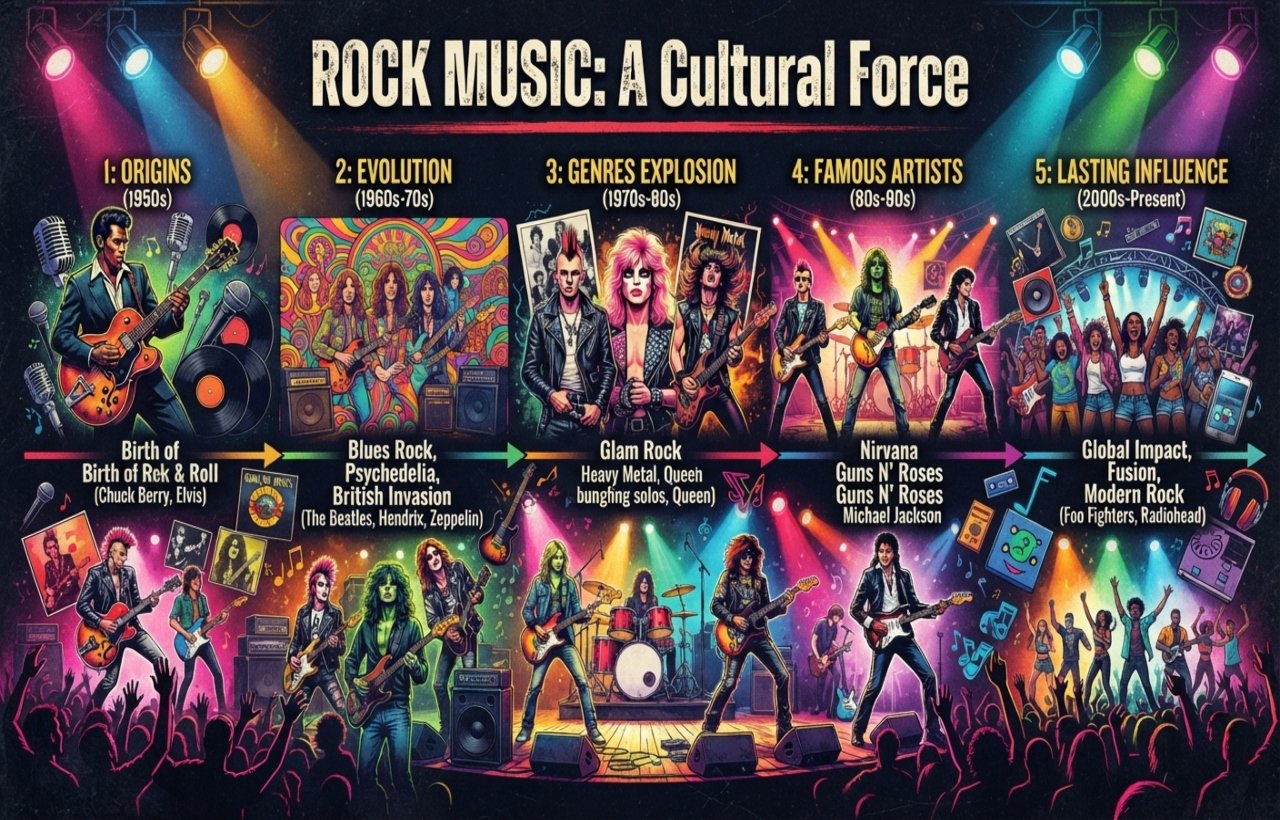
Rock and roll emerged as a recognizable musical movement during the 1950s. Its energetic rhythm, catchy melodies, electric guitars, and expressive vocals made it particularly attractive to younger listeners. Artists such as Chuck Berry, Little Richard, Elvis Presley, and Fats Domino helped establish the sound and performance traditions associated with early rock and roll.
Chuck Berry became famous for his distinctive guitar playing, memorable songwriting, and energetic stage performances. His musical approach influenced countless guitarists who followed him. Little Richard brought extraordinary vocal energy and an exciting piano-driven sound, while Elvis Presley helped popularize rock and roll through his recordings, television appearances, and stage presence.
The emergence of rock and roll changed the entertainment industry. Teenagers began developing their own musical preferences, and record companies recognized the commercial potential of this growing audience. Radio programs, live concerts, and television performances helped rock artists become household names.
This early period established the foundation for future developments. Musicians gradually experimented with heavier guitar sounds, more complex arrangements, and different lyrical themes. What started as an energetic popular music style eventually developed into the much broader world of modern rock music.
How Rock Music Evolved Through the Decades
Rock music never remained limited to one sound or generation. Every decade introduced new performers, recording technologies, cultural influences, and musical experiments. These changes helped the genre remain relevant even as audience preferences evolved.
The 1950s and 1960s
The 1950s established rock and roll as a major force in popular entertainment. During this period, performers introduced memorable guitar riffs, dance-friendly rhythms, and energetic singing styles. Young audiences embraced the music because it offered something exciting and different from traditional popular entertainment.
The 1960s brought another major transformation. British bands, particularly The Beatles and The Rolling Stones, helped expand the international popularity of rock. The Beatles became famous for their songwriting, vocal harmonies, and evolving studio techniques. The Rolling Stones developed a blues-influenced sound with stronger guitar arrangements and rebellious performances.
This decade also introduced psychedelic rock, folk rock, and other experimental styles. Musicians began exploring longer compositions, unusual recording techniques, and deeper lyrical subjects. Rock became connected with changing social attitudes, artistic experimentation, and youth culture.
The 1970s and 1980s
The 1970s introduced some of the most recognizable developments in rock music. Hard rock became increasingly popular through powerful guitar riffs, energetic drums, and strong vocals. Bands such as Led Zeppelin, Deep Purple, Pink Floyd, and Queen demonstrated how different rock arrangements could attract enormous audiences.
Progressive rock also gained attention because musicians experimented with longer songs, complex instrumental arrangements, and conceptual albums. Meanwhile, punk rock developed as a response to mainstream musical conventions. Its shorter songs, direct lyrics, and aggressive energy attracted listeners who preferred a simpler and more rebellious approach.
The 1980s brought stadium rock, glam metal, and alternative musical movements into the spotlight. Artists such as Bon Jovi, Guns N’ Roses, Def Leppard, and U2 became internationally recognized. Music videos and television channels helped artists reach audiences in new ways.
This period also strengthened the relationship between fashion and rock. Distinctive hairstyles, leather jackets, graphic shirts, and dramatic stage performances became recognizable parts of several rock subcultures.
The 1990s to Today
The 1990s introduced major changes through grunge, alternative rock, and post-grunge. Bands such as Nirvana, Pearl Jam, Radiohead, and Green Day developed different approaches to songwriting and performance. Their music often explored frustration, personal struggles, identity, relationships, and social experiences.
The early 2000s brought alternative rock, pop-punk, nu-metal, and indie rock to larger audiences. Bands such as Linkin Park, Coldplay, The Strokes, and Green Day demonstrated how rock could combine traditional instruments with modern production techniques.
Today, rock music continues to evolve through digital recording, streaming platforms, social media, and collaborations with other genres. Established artists continue performing for dedicated audiences, while newer musicians experiment with alternative sounds and independent releases.
Recent listening data also demonstrates that rock remains relevant. According to Luminate’s 2025 Year-End Music Report, US on-demand audio streaming volume for rock increased by 6.4% compared with 2024. This growth demonstrates that audiences continue discovering and enjoying the genre even in a competitive digital music environment.
Different Types and Genres of Rock Music
One reason rock music has remained popular for decades is its incredible variety. Different subgenres offer different rhythms, moods, instruments, and songwriting approaches. Some styles focus on powerful guitar arrangements, while others emphasize emotional lyrics, experimental sounds, or fast performances.
Classic Rock and Hard Rock
Classic rock refers broadly to influential rock recordings from earlier decades, particularly the 1960s, 1970s, and 1980s. Its recognizable characteristics include electric guitar melodies, memorable choruses, strong vocals, and traditional band arrangements.
Artists such as Queen, The Rolling Stones, Led Zeppelin, and The Who helped establish the sound associated with classic rock. Their recordings continue attracting listeners because of their songwriting, musicianship, and memorable performances.
Hard rock takes a heavier approach. It generally features louder electric guitars, stronger drum patterns, distorted guitar tones, and powerful vocals. Bands such as AC/DC, Aerosmith, and Deep Purple helped establish its musical identity.
The difference between these styles is not always strict. Many bands are associated with both classic rock and hard rock because their music contains elements of each.
Alternative Rock and Indie Rock
Alternative rock developed through musicians who wanted to move beyond traditional commercial rock formulas. It often includes unusual guitar sounds, experimental songwriting, emotional lyrics, and distinctive vocal performances.
Nirvana became one of the most recognizable alternative rock bands during the 1990s. Radiohead also became famous for exploring unusual musical arrangements and combining rock with electronic and experimental influences.
Indie rock originally described music created and released through independent record labels, although it later developed into a recognizable musical style. Indie artists often experiment with softer guitar arrangements, creative melodies, personal lyrics, and less conventional production.
This genre attracts listeners who appreciate originality and musical individuality.
Punk Rock and Heavy Metal
Punk rock developed during the 1970s and became known for its direct approach, energetic performances, and rebellious attitude. Punk songs often feature fast rhythms, straightforward guitar chords, and lyrics about personal freedom, politics, and dissatisfaction with established systems.
Bands such as The Ramones, Sex Pistols, and The Clash played important roles in popularizing punk rock. Their influence continues through modern punk and pop-punk performers.
Heavy metal developed through heavier musical arrangements, powerful guitar distortion, dramatic vocals, and intense drumming. Black Sabbath is widely recognized as one of the foundational bands of heavy metal. Later performers such as Metallica, Iron Maiden, and Judas Priest expanded the genre with more complex guitar work and distinctive songwriting.
Although punk rock and heavy metal share energetic performances, they have different musical traditions and artistic approaches.
Progressive Rock and Psychedelic Rock
Progressive rock focuses on musical experimentation, complex compositions, and creative arrangements. Songs can include changing rhythms, extended instrumental sections, unusual time signatures, and conceptual storytelling.
Pink Floyd, Yes, Genesis, and King Crimson are important examples of progressive rock artists. Their albums demonstrated that rock music could explore ideas and musical structures beyond conventional radio-friendly songs.
Psychedelic rock developed during the 1960s and became associated with experimental sounds, atmospheric arrangements, unusual recording effects, and imaginative lyrics. Artists such as Jimi Hendrix, Jefferson Airplane, and The Doors helped shape its identity.
These genres demonstrate how rock musicians have continuously challenged traditional musical boundaries.
Instruments Used in Rock Music
Rock music is strongly associated with electric instruments, especially the electric guitar. However, its sound depends on the interaction of several instruments working together. Each instrument has a particular role, and musicians use different techniques to create the distinctive atmosphere of a song.
The electric guitar is often the most recognizable instrument in a rock band. Guitarists use chords, riffs, melodies, solos, and effects pedals to create different sounds. Distortion, overdrive, delay, and reverb are commonly used effects that help musicians develop their individual playing styles. Some guitarists prefer powerful rhythmic arrangements, while others focus on expressive solos and complicated melodies.
The bass guitar provides the low-frequency foundation of the music. It connects the rhythmic patterns of the drums with the harmonic structure created by the guitar. Although listeners sometimes overlook the bass, it plays an essential role in making a rock song sound complete.
Drums establish the tempo and energy of a performance. A standard rock drum kit usually includes a bass drum, snare drum, toms, hi-hats, and cymbals. Drummers use different rhythms and accents to control the intensity of a song.
Vocals also contribute significantly to the identity of rock music. Singers can use soft melodies, powerful high notes, emotional expressions, and aggressive vocal techniques depending on the style. Some bands also incorporate keyboards, pianos, synthesizers, acoustic guitars, and additional percussion instruments.
Famous Rock Music Artists and Bands
The history of rock music includes hundreds of influential musicians and bands. Some introduced completely new sounds, while others developed existing traditions into internationally successful musical movements.
The Beatles remain among the most influential bands in popular music history. Their songwriting, vocal harmonies, and recording experiments helped transform the possibilities of rock music. Songs such as “Hey Jude,” “Come Together,” and “Let It Be” continue attracting listeners across generations.
The Rolling Stones developed a distinctive blues-influenced rock sound. Their energetic performances and recognizable guitar arrangements helped establish them as one of the most successful rock bands.
Queen became famous for combining rock with theatrical performances, layered vocal harmonies, and ambitious songwriting. Their music includes internationally recognized songs such as “Bohemian Rhapsody,” “We Will Rock You,” and “Don’t Stop Me Now.”
Led Zeppelin helped shape hard rock through powerful guitar riffs, blues influences, and dynamic performances. Their music influenced countless musicians and contributed to the development of heavy metal.
Nirvana became a defining band of the 1990s alternative rock movement. Their album Nevermind helped bring grunge into mainstream popular culture.
Other important artists include Jimi Hendrix, David Bowie, Bruce Springsteen, Eric Clapton, Ozzy Osbourne, Freddie Mercury, Kurt Cobain, and Eddie Van Halen.
Each of these musicians contributed something different. Their combined creativity helped make rock music one of the most diverse and influential musical traditions in the world.
Why Rock Music Became So Popular
Rock music became popular because it connected with listeners emotionally and culturally. Its energetic sound attracted people who wanted exciting entertainment, while its lyrics offered opportunities to explore personal experiences, relationships, dreams, and frustrations.
One major reason for its popularity is its emotional flexibility. A rock song can make someone feel excited, confident, nostalgic, peaceful, or even heartbroken. Powerful guitar arrangements can create an intense atmosphere, while softer melodies can communicate feelings that are difficult to express through ordinary conversation.
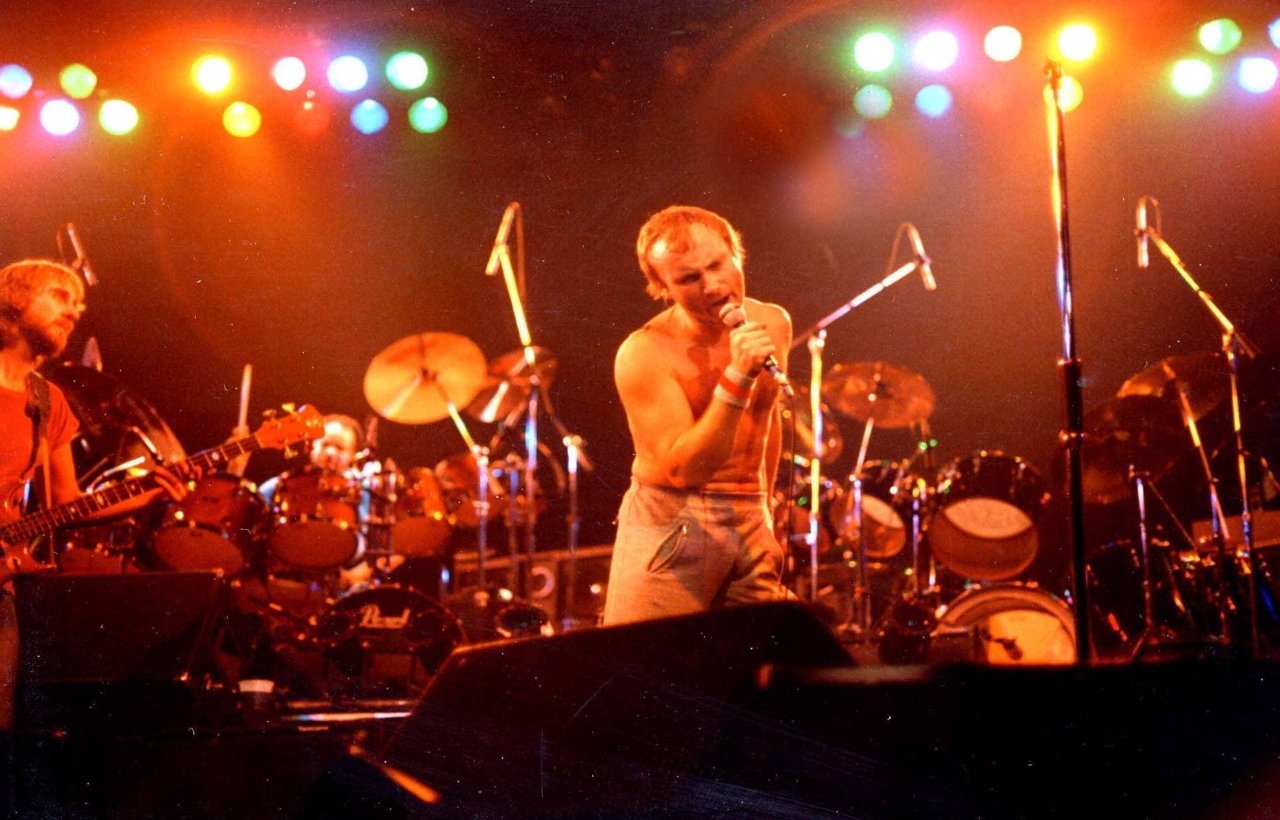
Another important factor is live performance. Rock concerts are famous for their energetic atmosphere, guitar solos, audience participation, and dramatic stage arrangements. Watching musicians perform together creates a connection between artists and fans that recorded music cannot always reproduce.
Rock music also became popular because it encouraged individuality. Different subgenres developed their own clothing styles, hairstyles, communities, and cultural identities. Fans could connect with artists whose music reflected their personalities and experiences.
Its long history has also helped it maintain a loyal audience. Older listeners continue enjoying classic recordings, while younger generations discover influential songs through streaming services, films, television programs, and social media.
The Cultural and Social Influence of Rock Music
Rock music has influenced far more than the entertainment industry. Throughout its history, it has contributed to changes in fashion, youth culture, artistic expression, and social conversations.
During the 1960s and 1970s, rock became connected with movements that questioned traditional values and encouraged personal freedom. Musicians explored subjects such as peace, equality, identity, and political disagreements through their songwriting.
Fashion also developed alongside different rock movements. Leather jackets, denim clothing, band T-shirts, boots, and distinctive hairstyles became recognizable symbols of several rock communities. Punk fashion, for example, used bold visual choices to express independence and challenge conventional expectations.
Rock music has also influenced cinema, television, advertising, and video games. Filmmakers frequently use famous rock songs to establish atmosphere, communicate emotions, or represent a particular historical period. This exposure introduces classic recordings to audiences who might not otherwise explore the genre.
Another important contribution is its influence on musicians from different countries. Rock artists around the world have combined international musical traditions with electric guitars and modern production techniques. This has helped create local rock scenes with distinctive cultural identities.
Its influence remains visible in contemporary entertainment, proving that rock music is not simply a collection of old recordings. It is an ongoing cultural tradition.
Rock Music in the Modern Digital Era
Technology has transformed the way people discover, create, distribute, and enjoy rock music. In earlier decades, listeners mainly depended on radio broadcasts, physical albums, music stores, and television programs. Today, streaming platforms allow audiences to explore millions of recordings from almost anywhere.
Services such as Spotify, Apple Music, and YouTube have made it easier for listeners to discover both legendary artists and independent musicians. Someone interested in classic rock can quickly explore the discographies of established bands, while fans of alternative rock can discover smaller artists through recommendations and playlists.
Social media has also created new opportunities for musicians. Artists can share performances, promote upcoming releases, communicate directly with fans, and build communities without depending entirely on traditional record companies.
Digital recording software has made music production more accessible. Independent musicians can record guitars, drums, bass, and vocals using home studios and affordable equipment. This has encouraged experimentation and helped new artists release music without the financial resources previously required.
Recent industry statistics provide useful context. The IFPI Global Music Report 2026 reported that global recorded music revenues reached $31.7 billion in 2025, with streaming accounting for 69.6% of recorded music revenue. These figures illustrate how digital distribution has transformed the music business in which rock artists operate.
Despite these technological changes, the basic appeal of rock remains recognizable. Listeners still appreciate strong melodies, expressive performances, meaningful lyrics, and musicians who bring their creative ideas to life.
The Future of Rock Music
The future of rock music will likely involve a combination of traditional musical techniques and modern creative technologies. Electric guitars, live drums, bass arrangements, and expressive vocals will continue to influence artists, even as new production methods create additional possibilities.
One important development is the growing relationship between rock and other genres. Contemporary musicians frequently combine alternative rock with electronic music, pop, hip-hop, folk, and experimental sounds. These collaborations create fresh musical experiences while maintaining elements of traditional rock.
Independent music production will also remain important. Musicians can now record and distribute their work through digital platforms, making it easier for new bands to reach international audiences. This accessibility may encourage more regional rock movements and independent musical communities.
Live performances will continue to play a significant role. Concerts and music festivals provide opportunities for fans to experience rock in a social environment. The energy of live instruments, audience participation, and spontaneous performances remains an important part of the genre’s identity.
Younger listeners may discover rock through video games, movies, social media, and streaming recommendations. Older recordings can gain renewed attention when they appear in popular entertainment or become part of online trends.
Rock music has already survived many changes in technology, fashion, and audience preferences. Its ability to adapt while maintaining its musical identity gives it a strong foundation for the future.
Conclusion
Rock music has traveled an extraordinary journey from its early beginnings in the United States during the 1950s to its position as an internationally recognized musical genre. What started as a combination of blues, gospel, country, and rhythm and blues eventually developed into a diverse musical movement that influenced generations of artists and listeners.
Its greatest strength is its ability to change without losing its identity. Classic rock introduced unforgettable melodies and guitar arrangements, hard rock brought powerful performances, punk rock encouraged rebellion, and alternative rock created opportunities for experimentation. Each generation contributed something different to the genre.
Today, rock music continues to reach audiences through streaming platforms, live concerts, social media, and independent music production. Legendary bands remain popular, while emerging musicians explore new sounds and creative approaches.
Whether you enjoy the timeless recordings of Queen, the powerful performances of Led Zeppelin, the emotional songwriting of Nirvana, or the experimental sounds of modern alternative bands, rock offers an enormous musical world to explore.
Ultimately, rock music is more than entertainment. It is a form of artistic expression that connects people through emotions, creativity, energy, and shared experiences. Its history demonstrates that great music can cross generations, cultures, and boundaries.
Frequently Asked Questions (FAQs)
1. What is rock music?
Rock music is a popular music genre that developed in the United States during the 1950s. It combines influences from blues, country, gospel, and rhythm and blues. Its most recognizable characteristics include electric guitars, bass guitars, drums, expressive vocals, and energetic rhythms. Over time, it developed into numerous subgenres, including classic rock, hard rock, punk rock, alternative rock, and heavy metal.
2. Who is considered the king of rock and roll?
Elvis Presley is widely known as the King of Rock and Roll. His energetic performances, distinctive singing voice, and popular recordings helped bring rock and roll to mainstream audiences during the 1950s. His influence extended beyond music into fashion, entertainment, and popular culture. Although many musicians contributed to the development of rock and roll, Elvis remains one of its most recognizable figures.
3. What instruments are commonly used in rock music?
The most common instruments in rock music are electric guitar, bass guitar, drums, and vocals. Electric guitars create riffs, melodies, and solos, while bass guitars provide low-frequency musical support. Drums establish the rhythm and control the energy of a performance. Some bands also use keyboards, synthesizers, acoustic guitars, pianos, and additional percussion instruments to develop their sound.
4. What are the most popular types of rock music?
Some of the most recognized rock genres include classic rock, hard rock, alternative rock, indie rock, punk rock, progressive rock, psychedelic rock, and heavy metal. Each style has its own musical characteristics. For example, punk rock emphasizes fast rhythms and straightforward arrangements, while progressive rock often features complex compositions and extended instrumental sections. Listeners can explore different styles to discover the sounds they enjoy most.
5. Is rock music still popular today?
Yes, rock music continues to attract listeners around the world. Although the music industry has introduced many new genres and listening trends, rock maintains a strong audience through streaming services, concerts, festivals, and social media. Luminate’s 2025 Year-End Music Report recorded 6.4% growth in US rock on-demand audio streaming volume compared with 2024. This demonstrates that the genre continues to attract attention in the modern music industry.