
 By callumlangham@gmail.com
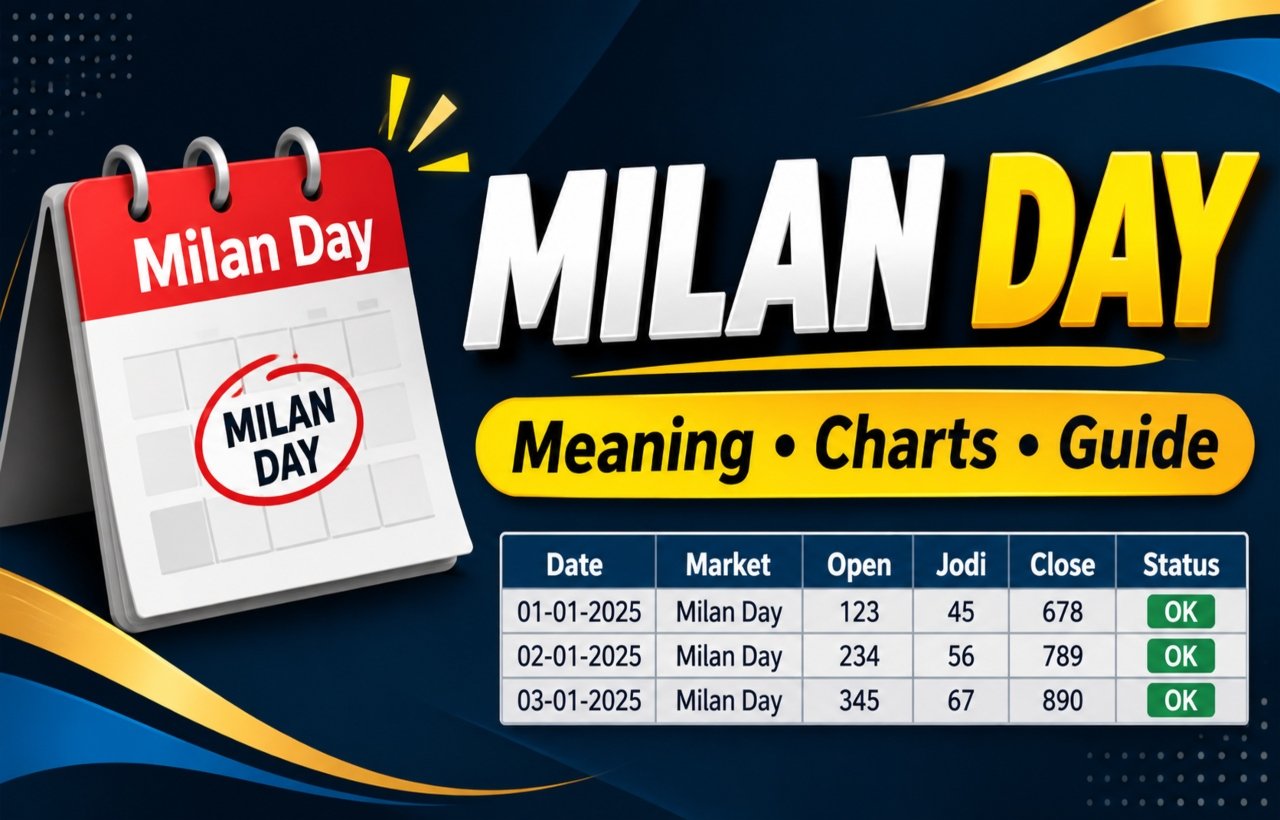
Milan Day is a search term commonly associated with the Milan Day Satta Matka market. People who search this term often want to understand what it means, how its result charts work, where historical records appear, and how different result-related terms connect. Whether you are researching the topic for general knowledge or trying to understand online result pages, knowing the basics can help you recognize the information available on these websites.
Online searches can show many pages with similar names, charts, and updated results. However, not every website provides reliable information. Some pages publish historical records, while others display changing figures or promotional claims. Therefore, readers should understand the subject carefully and avoid treating any number, chart, or prediction as a guaranteed outcome.
What Is Milan Day?
The term refers to a Satta Matka market that appears on various online result and chart websites. These websites generally organize information around daily market names, historical numbers, and result records.
People often search for the market to find its latest published information. Some websites also provide archives that allow visitors to review older entries. These archives help readers understand how websites organize their information, but they cannot reveal or guarantee future results.
It is important to distinguish general information from gambling activity. Satta Matka involves betting on numerical outcomes, which carries financial risks and may violate local laws. Readers should check the laws that apply in their location before interacting with any related platform.
How Does the Milan Day Market Work?
Websites that cover this market usually present numerical results through different sections. Each section has its own purpose, and understanding the terminology makes the displayed information easier to read.
A typical result page may include a market name, a date, a result status, and a historical record. Some websites also display separate columns for different numerical entries.
The exact presentation can vary between platforms. For this reason, readers should not assume that every website follows the same schedule or uses identical formatting.
Understanding Open and Close Results
Many result websites use the words open and close to describe different parts of a numerical result. These labels help visitors identify the information displayed in a result record.
An open entry generally represents the first recorded part, while a close entry represents the later part. The website may show these figures separately or combine them in a single record.
Readers should always check the date and source before interpreting any displayed number. A result from an older date should never be mistaken for a current update.
What Is a Jodi Chart?
A jodi chart usually displays two-digit combinations in a structured format. Websites arrange these combinations by date, making it easier to locate a particular historical entry.
Some platforms highlight repeated combinations or use different colors to make the chart easier to scan. These visual features only organize existing information. They do not demonstrate that a particular combination has a higher chance of appearing in the future.
Understanding Milan Day Result Charts
A result chart is one of the most commonly searched features associated with this topic. It presents previously recorded information in an organized layout.
Visitors may find daily entries, weekly sections, monthly records, and year-based archives. These layouts allow readers to compare dates without searching through multiple individual pages.
When exploring a milan day chart, pay attention to the following details:
Date: Identifies when the displayed entry appeared.
Market name: Helps distinguish one market from another.
Open entry: Shows the first recorded numerical section.
Jodi: Displays a two-digit combination when available.
Close entry: Shows the later recorded numerical section.
Status: Indicates whether a result is available, pending, or marked as a holiday.
These details can help visitors understand the structure of a result page. However, a chart is a historical record, not a reliable forecasting system.
Why Do People Search for Historical Records?
Historical records help readers review information from previous dates. Instead of visiting multiple pages, users can sometimes find several years of entries in one organized archive.
Historical charts also make it easier to understand how a website maintains its records. Readers can compare dates, identify missing entries, and check whether the platform displays clear updates.
However, historical frequency does not establish a dependable pattern for future outcomes. Random numerical results do not become predictable simply because a particular combination appeared several times.
Anyone researching this subject should treat archived information as historical data rather than a method for making financial decisions.
How to Identify a Reliable Information Website
Not every website that publishes numerical results offers accurate or transparent information. Some pages may contain outdated entries, unclear schedules, or misleading advertisements.
Before trusting an information source, consider these important factors:
Check Update Information
Look for a visible update date and time. A website should make it clear when it last refreshed its displayed information.
Compare Historical Entries
Check whether the dates and historical records appear consistently. Missing dates or unexplained changes deserve additional attention.
Read the Website Disclaimer
A responsible reader should understand the website’s terms, privacy policy, and legal notices before using its services.
Avoid Guaranteed Predictions
Be cautious of websites or social media accounts promising fixed results, guaranteed numbers, or certain profits. No historical chart can guarantee a future outcome.
Protect Personal Information
Never share passwords, banking details, identity documents, or other private information with unknown platforms.
Milan Day and Milan Night: Understanding the Difference
Online result websites may display several markets with similar names. Milan Day and Milan Night are commonly listed as separate market categories.
Although their names look similar, readers should not confuse their individual records. Each category may have a separate result page, schedule, and historical archive.
When researching these listings, check the exact market name and date. This simple step helps prevent confusion between different records.
Also remember that market schedules can change. A website may publish a holiday notice, modify its displayed timings, or temporarily stop updating a particular section.
Important Risks and Legal Considerations
The subject deserves careful attention because Satta Matka connects numerical results with gambling activity. Betting can lead to financial losses, emotional stress, and other personal difficulties.
The legal position also depends on the country and local jurisdiction. Some regions prohibit particular forms of gambling, while others apply different restrictions. Readers should never assume that an online platform operates legally simply because it appears in search results.
For anyone researching milan day, the safest approach is to focus on general information, website transparency, historical data, and responsible online behavior.
Avoid borrowing money, risking essential savings, or trusting strangers who promise guaranteed profits. No chart or prediction removes the uncertainty associated with gambling.
Common Terms Used on Result Websites
Understanding frequently used terms can make result pages easier to interpret.
Panna: A term used for a three-digit numerical combination on many Satta Matka websites.
Ank: A single-digit figure that appears in certain result formats.
Jodi: A two-digit combination displayed as part of a result record.
Panel Chart: A structured display that may contain open panna, jodi, and close panna information.
Record Chart: A historical archive organized by dates, months, or years.
Holiday: A status indicating that a particular market has not published a result for a scheduled date.
These definitions describe common website terminology. Different platforms may use slightly different layouts or explanations, so readers should check the relevant source.
Frequently Asked Questions (FAQs)
1. What does Milan Day mean?
It is the name of a Satta Matka market commonly listed on online result websites. These websites may publish historical charts, numerical records, and market information.
2. What is a Milan Day chart?
A chart is an organized record of previously published numerical entries. It may arrange information by date, week, month, or year.
3. What is the difference between a jodi and a panna?
A jodi generally refers to a two-digit combination, while a panna refers to a three-digit combination in common Satta Matka terminology.
4. Can historical charts predict future results?
No. Historical records cannot guarantee or reliably predict future numerical outcomes. Previous results do not establish what will happen next.
5. Why do result websites show holiday status?
A holiday status generally indicates that the website has not listed a result for that particular date. Readers should check the relevant source for confirmation.
6. Is Milan Day the same as Milan Night?
No. Online result platforms generally list them as separate market categories with different records and schedules.
7. Are online result websites always accurate?
No. Website accuracy varies. Always check update dates, historical records, source transparency, and published disclaimers.
8. Is Satta Matka safe?
Gambling involves financial risks and may be illegal depending on your location. Avoid risking essential money or trusting anyone promising guaranteed profits.
Final Thoughts
Understanding this topic requires more than looking at numerical combinations. Readers should learn how result pages organize their information, how historical charts work, and why different market categories need separate records.
When researching milan day, prioritize accurate information, transparent sources, and responsible online behavior. Remember that historical records only describe previous entries; they do not guarantee future outcomes. A careful approach helps readers understand the subject without confusing information with prediction or financial opportunity.