
 By callumlangham@gmail.com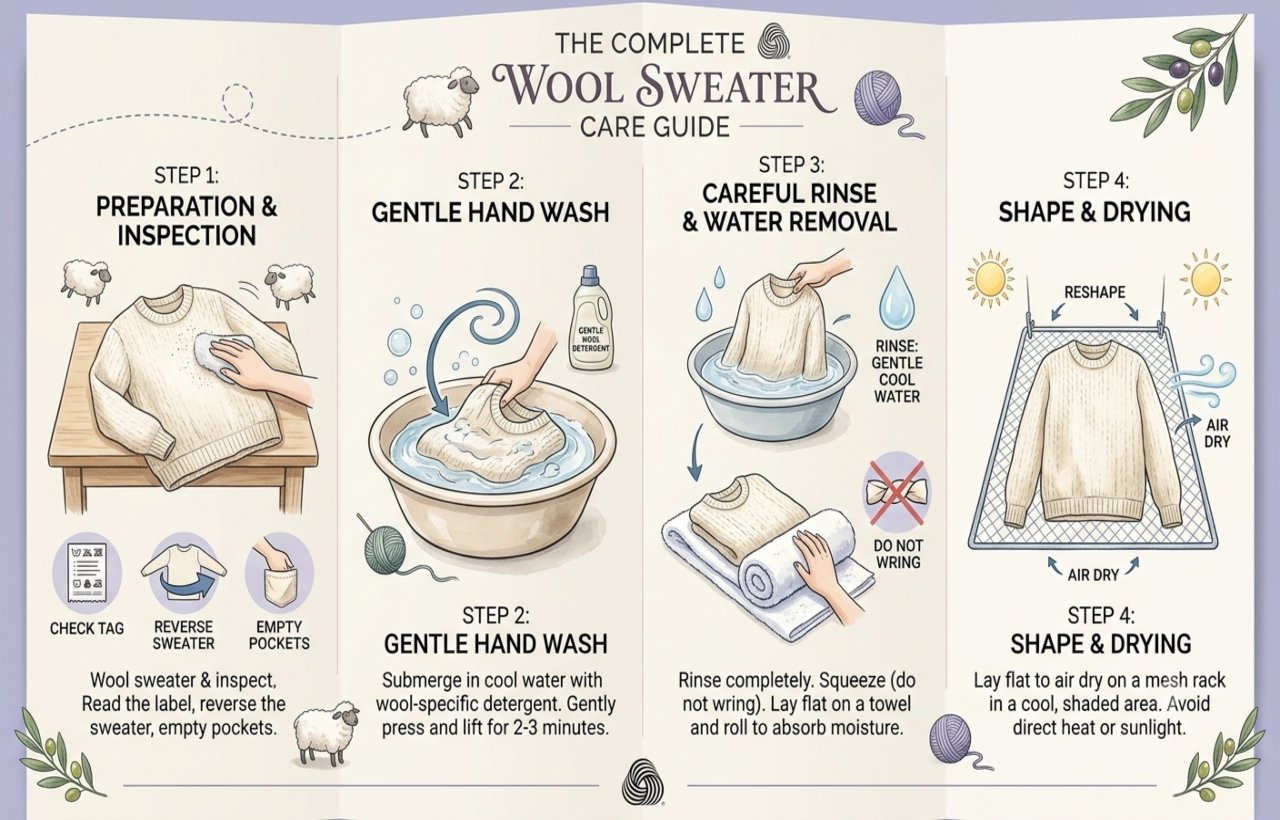
Knowing how to wash wool sweater the right way helps you keep your favorite knitwear soft, clean, and long-lasting. Wool is one of the most comfortable natural fabrics because it provides warmth while remaining breathable. However, many people avoid washing wool because they worry about shrinking, stretching, or damaging the fibers.
Fortunately, caring for a wool sweater is much easier than most people think. With the proper technique, gentle detergent, and careful drying process, your sweater can maintain its shape and texture for years. Moreover, regular maintenance prevents odors, stains, and unnecessary wear without exposing the fabric to harsh treatment.
In this complete guide, you will discover every important step involved in washing wool sweaters. Additionally, you will learn how often to wash them, which detergents work best, common mistakes to avoid, drying methods, storage tips, and expert advice that protects your investment.
Why Wool Needs Special Care
Wool differs from cotton, polyester, or synthetic fabrics because its fibers come from sheep or other animals. These natural fibers contain tiny scales that can lock together when exposed to heat, friction, and sudden temperature changes.
As a result, improper washing often causes:
- Shrinking
- Stretching
- Felting
- Loss of softness
- Misshapen sleeves
- Fading
Therefore, gentle handling remains the secret to successful wool care.
Check the Care Label First
Before washing any sweater, always examine the care label.
Manufacturers test their garments and recommend the safest cleaning method. Although many wool sweaters allow hand washing, some require professional dry cleaning because of delicate construction, embroidery, or blended materials.
Typical labels include:
- Hand Wash Only
- Machine Wash Wool Cycle
- Dry Clean Only
- Lay Flat to Dry
Following these instructions reduces unnecessary risks.
Gather Everything Before Washing
Preparation makes the entire process easier.
You should have:
- Mild wool detergent
- Clean sink or basin
- Cool water
- Large towel
- Drying rack
- Soft cloth for spot cleaning
Avoid regular laundry detergents because they often contain strong enzymes that weaken wool fibers over time.
How to Wash Wool Sweater by Hand
Hand washing remains the safest method for most wool sweaters.
Step 1: Fill a Basin with Cool Water
Fill a clean sink or basin with cool or lukewarm water.
Avoid hot water because sudden heat encourages shrinking.
Step 2: Add Wool Detergent
Mix a small amount of wool-safe detergent into the water.
Only a little detergent is needed. Excess soap creates unnecessary rinsing and leaves residue behind.
Step 3: Turn the Sweater Inside Out
Turning the garment inside out protects the outer surface from friction.
It also helps preserve color and texture.
Step 4: Soak the Sweater
Place the sweater gently into the water.
Press it slowly beneath the surface instead of twisting or rubbing.
Allow it to soak for approximately 10 to 15 minutes.
Step 5: Remove Dirt Gently
Move the sweater lightly through the water.
Focus on stained areas by pressing them softly.
Avoid scrubbing because friction damages delicate wool fibers.
Step 6: Rinse Carefully
Drain the soapy water.
Refill the basin with clean cool water.
Continue rinsing until no detergent remains.
Repeat if necessary.
Step 7: Remove Excess Water
Never wring or twist wool.
Instead:
- Lift carefully
- Support the weight evenly
- Press water out gently
Next, place the sweater on a clean towel.
Roll the towel slowly to absorb additional moisture.
Can You Machine Wash a Wool Sweater?
Some modern sweaters can be machine washed.
However, only proceed if the care label clearly allows machine washing.
Follow these recommendations:
- Use the wool cycle
- Select cold water
- Choose low spin
- Place the sweater inside a mesh laundry bag
- Wash with similar delicate garments
Avoid overloading the machine because heavy clothing increases friction.
Choosing the Best Detergent
Not every detergent suits wool.
Instead, select products specifically designed for delicate fibers.
Good wool detergents usually:
- Preserve natural oils
- Maintain softness
- Prevent fiber damage
- Reduce fading
- Rinse easily
Avoid products containing:
- Bleach
- Enzymes
- Strong perfumes
- Heavy stain removers
Gentle formulas produce much better long-term results.
How to Remove Stains from Wool
Stains require immediate attention.
The longer they remain, the harder they become to remove.
Food Stains
Blot the stain using a damp cloth.
Never rub aggressively.
Coffee or Tea
Use cool water with wool detergent.
Work from the outside toward the center.
Oil Stains
Sprinkle a small amount of cornstarch or baking soda.
Leave it for several hours.
Brush it away before washing.
Ink
Treat carefully using products designed specifically for delicate fabrics.
Always test any cleaner on an invisible area first.
Drying Wool the Right Way
Drying matters just as much as washing.
Incorrect drying ruins even perfectly washed sweaters.
Lay Flat
Place the sweater on a dry towel.
Reshape it carefully.
Arrange:
- Sleeves
- Collar
- Hem
- Shoulders
Leave it flat until completely dry.
Avoid Hanging
Wet wool stretches easily.
Hanging causes:
- Long sleeves
- Misshapen shoulders
- Uneven fabric
Flat drying prevents these problems.
Keep Away from Heat
Never place wool near:
- Radiators
- Direct sunlight
- Clothes dryers
- Heating vents
Natural air drying works best.
How Often Should You Wash a Wool Sweater?
Unlike cotton, wool naturally resists odors.
Therefore, frequent washing is unnecessary.
General recommendations include:
- Every 4–6 wears for everyday sweaters
- After heavy sweating
- After spills
- Before seasonal storage
Between washes, simply air out the sweater for several hours.
Common Mistakes to Avoid
Many sweaters become damaged because of avoidable mistakes.
Using Hot Water
Heat encourages shrinking.
Always choose cool water.
Twisting the Fabric
Twisting weakens fibers and stretches the garment.
Instead, press water out gently.
Using Regular Detergent
Strong detergents strip natural wool oils.
Use wool-safe detergent instead.
Hanging While Wet
Water increases the garment’s weight.
Consequently, stretching becomes more likely.
Using the Dryer
Machine dryers expose wool to both heat and friction.
That combination often causes permanent shrinkage.
How to Keep Wool Soft
Softness depends on proper care.
You can preserve softness by:
- Washing gently
- Using wool detergent
- Drying flat
- Avoiding excessive washing
- Storing correctly
Additionally, avoid fabric softeners because many wool experts recommend skipping them.
Storing Wool Sweaters
Proper storage extends the life of your clothing.
After washing:
- Fold neatly
- Store in a cool place
- Keep away from moisture
- Use breathable storage bags
- Add cedar blocks or lavender sachets to discourage moths
Never store damp wool.
Moisture encourages mildew.
Caring for Merino Wool
Merino wool feels softer than traditional wool.
Fortunately, many merino garments tolerate machine washing.
Nevertheless, gentle handling still provides the best results.
Use:
- Cold water
- Wool detergent
- Gentle cycle
- Flat drying
These simple steps preserve elasticity.
Caring for Cashmere Wool
Cashmere requires even greater care.
Hand washing remains the preferred method.
Avoid excessive soaking.
Handle the fabric gently throughout the process.
Flat drying keeps its luxurious texture intact.
How to Freshen Wool Without Washing
Sometimes washing is unnecessary.
Instead, refresh the sweater by:
- Airing it outdoors in shade
- Using a fabric brush
- Removing lint carefully
- Spot cleaning stains
- Folding properly after wearing
These habits reduce unnecessary washing.
Preventing Pilling
Pills appear naturally as fibers rub together.
To reduce pilling:
- Wash inside out
- Avoid rough surfaces
- Store carefully
- Remove pills with a fabric comb
Never pull pills by hand.
Travel Tips for Wool Sweaters
Travel often places extra stress on knitwear.
Pack sweaters by folding them instead of hanging them.
Additionally, place tissue paper between folds to reduce creases.
After arrival, unfold the sweater and allow it to relax before wearing.
Eco-Friendly Wool Care
Gentle wool care also benefits the environment.
Because wool requires less frequent washing, you naturally save:
- Water
- Electricity
- Detergent
- Energy
Furthermore, air drying eliminates unnecessary electricity consumption.
These small habits support sustainable clothing care.
Frequently Asked Questions
Can I wash wool with regular clothes?
Only if the care label permits machine washing. Even then, use the wool cycle and wash with similar delicate garments.
Why did my wool sweater shrink?
Hot water, excessive agitation, or tumble drying usually causes shrinkage.
Can vinegar soften wool?
A small amount of white vinegar during rinsing may help remove detergent residue. However, use it sparingly.
Should I iron a wool sweater?
If wrinkles appear, use low heat with steam or place a cloth between the iron and the sweater.
Can wool be washed every week?
Usually not. Wool naturally resists odors, so frequent washing is unnecessary unless the sweater becomes dirty.
Is dry cleaning always necessary?
No. Many wool sweaters can be hand washed safely. Always follow the garment’s care label.
Expert Tips for Long-Lasting Wool Sweaters
Small habits make a significant difference over time.
For the best results:
- Fold sweaters instead of hanging them.
- Wash only when necessary.
- Use cool water every time.
- Select wool-safe detergent.
- Dry naturally on a flat surface.
- Rotate sweaters throughout the season.
- Treat stains immediately.
- Store clean garments before long-term storage.
Following these recommendations helps preserve both appearance and comfort.
Conclusion
Learning how to wash wool sweater correctly protects one of the most valuable pieces in your wardrobe. Fortunately, the process requires only gentle handling, cool water, a mild detergent, and proper drying techniques. Moreover, thoughtful storage and occasional maintenance help preserve softness, shape, and durability for many seasons.
Instead of fearing damaged knitwear, you can confidently care for your sweaters at home. By following the steps outlined in this guide, you reduce the risk of shrinking, stretching, and fading while keeping every wool garment looking fresh and comfortable. Ultimately, consistent care allows your favorite sweaters to remain stylish, warm, and ready to wear year after year.