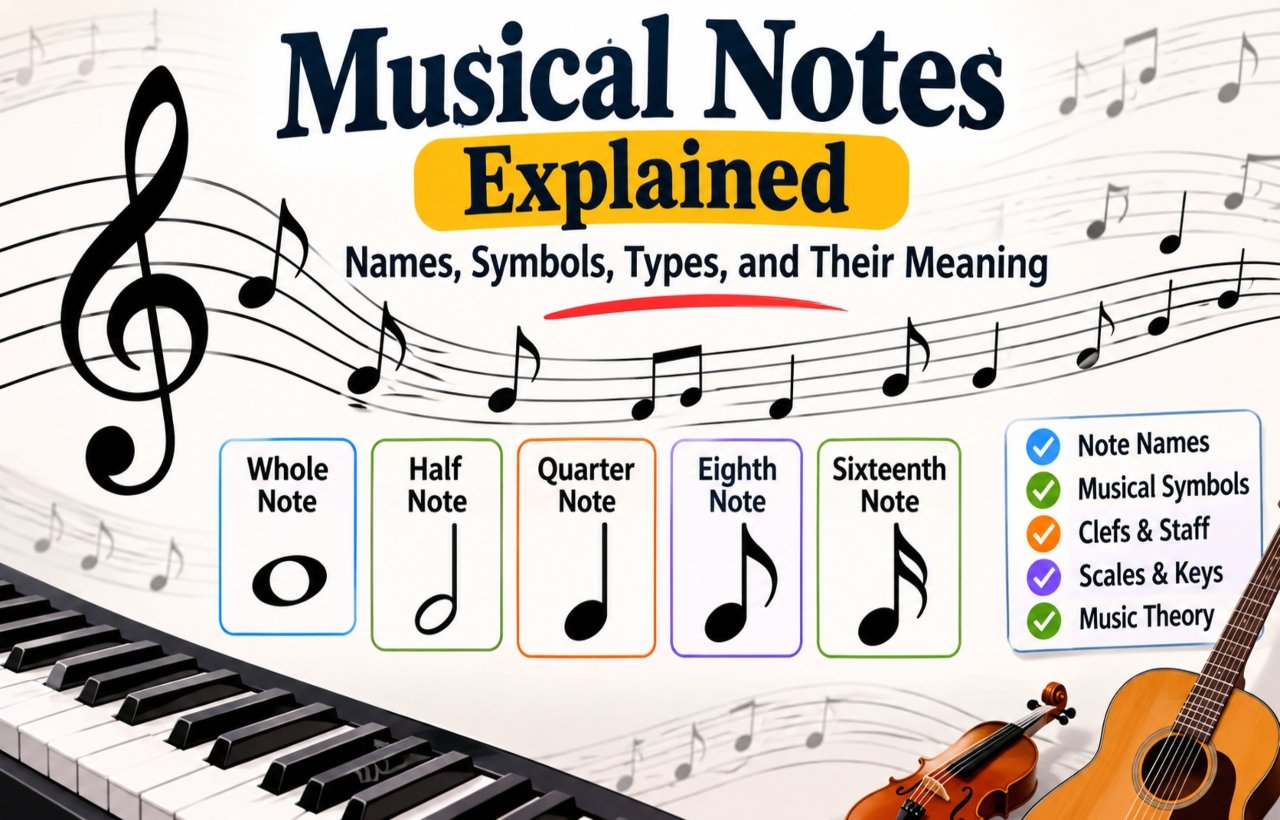

Learning how to sing is an exciting journey that allows us to express emotions, develop confidence, and discover our musical abilities. Whether we dream of performing on stage, singing our favorite songs, or simply improving our voices, singing lessons for beginners provide the foundation needed to become a better singer. We do not need expensive equipment, professional recording studios, or years of musical experience to get started. With the right techniques, regular practice, and a little patience, we can gradually develop a stronger, clearer, and more controlled singing voice.
Many people believe that singing is a natural talent that only a few individuals possess. However, singing is also a skill that can be developed through proper training. Just like learning to play a musical instrument, improving our singing voice requires understanding basic techniques, practicing consistently, and recognizing areas that need improvement.
In this comprehensive guide, we will explore everything beginners need to know about singing, including vocal warm-ups, breathing exercises, pitch control, vocal range, posture, and practical techniques. These lessons will help us build a strong foundation and singing lessons with confidence.
What Are Singing Lessons for Beginners?
Singing lessons for beginners are structured sessions that introduce new singers to the fundamentals of vocal performance. They help us understand how the voice works and teach us how to produce different sounds safely and effectively.
During beginner singing lessons, we learn essential skills such as:
-
Proper breathing techniques.
-
Vocal warm-up exercises.
-
Pitch recognition and control.
-
Understanding musical notes.
-
Improving vocal clarity.
-
Developing rhythm and timing.
-
Expanding vocal range.
-
Controlling volume and tone.
-
Singing with confidence.
These skills are important because good singing involves much more than simply producing sounds. We must learn how to control our breathing, coordinate our vocal muscles, recognize musical pitches, and communicate emotions through our voices.
Beginners should focus on developing healthy vocal habits rather than trying to imitate professional singers immediately.
Understand Your Natural Singing Voice
Before starting serious vocal training, we should understand our natural singing voice. Every person has a different vocal quality, range, and tone. Some people naturally produce deep sounds, while others have lighter or higher-pitched voices.
Our natural voice is influenced by several factors, including vocal anatomy, age, training, and individual characteristics.
Identify Your Vocal Type
Singers are commonly classified into different vocal categories based on their vocal range and characteristics.
Common voice types include:
-
Soprano: A high vocal range commonly associated with female classical singers.
-
Mezzo-Soprano: A middle-high vocal range.
-
Contralto: A lower female vocal range.
-
Tenor: A higher male vocal range.
-
Baritone: A middle male vocal range.
-
Bass: A deep male vocal range.
These categories are particularly useful in classical and choral singing. Beginners do not need to determine their exact classification immediately.
Discover Your Comfortable Vocal Range
To discover our comfortable range, we can start by singing a simple scale using a piano or keyboard application.
Begin with a comfortable middle note and gradually move upward. Then repeat the exercise while moving downward.
Pay attention to where the voice starts feeling uncomfortable or strained.
We should never force high or low notes. The goal is to discover our natural capabilities and gradually improve them through appropriate exercises.
Learn Proper Breathing Techniques
Breathing is one of the most important elements of good singing. Without proper breath control, it becomes difficult to maintain long notes, sing smoothly, or control vocal volume.
Many beginners breathe mainly through their upper chest. However, singers benefit from learning coordinated breathing that allows the diaphragm and surrounding muscles to support airflow.
Practice Diaphragmatic Breathing
Diaphragmatic breathing helps us develop better control over the air used during singing.
Follow these simple steps:
-
Stand or sit comfortably with your shoulders relaxed.
-
Place one hand on your upper chest and the other around your lower ribs.
-
Breathe gently through your nose.
-
Notice your lower ribs and abdomen expanding naturally.
-
Slowly release the air through your mouth.
-
Repeat the exercise several times without forcing your breath.
Once we become comfortable with this technique, we can practice releasing air while producing a steady sound.
The SSS Breathing Exercise
The SSS exercise is a simple way to develop breath control.
-
Take a comfortable breath.
-
Produce a soft “SSS” sound.
-
Release the air steadily.
-
Try maintaining an even sound.
-
Repeat the exercise three to five times.
This activity helps us become more aware of airflow and improve our ability to manage breath during musical phrases.
Always Warm Up Your Voice Before Singing
Vocal warm-ups prepare the voice for singing and help us transition gradually into more demanding exercises.
Just as athletes warm up their muscles before exercise, singers should prepare their vocal systems before practicing.
Skipping warm-ups and immediately attempting high notes or powerful songs can create unnecessary vocal tension.
Best Vocal Warm-Up Exercises
Lip Trills
Lip trills involve producing a relaxed buzzing sound with the lips while allowing air to flow through them.
To practice:
-
Relax your lips.
-
Gently blow air through them.
-
Produce a buzzing sound.
-
Move gradually between comfortable notes.
This exercise encourages relaxed vocal production and helps coordinate breathing and phonation.
Humming Exercises
Humming is another excellent warm-up for beginners.
Close your lips gently and produce a comfortable humming sound. Feel the vibrations around your lips and face.
Start with a single note and gradually move between different pitches.
Gentle Vocal Slides
Vocal slides involve moving smoothly from a low note to a higher note and returning.
Start with a comfortable pitch and gradually slide upward without pushing your voice.
These exercises help us explore different parts of our vocal range while maintaining a relaxed sound.
Improve Your Pitch Control
Pitch control is the ability to sing the correct musical notes. It is one of the most important skills beginners need to develop.
When someone sings off-key, their notes do not match the intended musical pitches.
Fortunately, pitch accuracy can improve with regular listening and practice.
Use a Piano or Pitch Training Application
A piano or keyboard is useful for learning musical notes.
Follow this practice routine:
-
Play one note on the piano.
-
Listen carefully to its sound.
-
Repeat the same note using your voice.
-
Compare your voice with the original note.
-
Repeat with different notes.
You can also use a digital tuner or pitch-training application to receive feedback.
Practice Matching Notes
Start with simple musical patterns containing three or four notes.
Listen to the pattern first, then sing it slowly.
Avoid increasing the difficulty too quickly. Accurate singing is more important than singing complicated melodies.
With consistent practice, we can gradually develop better pitch recognition and vocal accuracy.
Learn About Vocal Registers
Understanding vocal registers helps beginners recognize how their voices behave at different pitches.
Most singers experience different vocal qualities as they move between lower and higher notes.
The main terms beginners should understand include the following.
Chest Voice
Chest voice generally refers to the fuller, speech-like quality many people experience when singing in their comfortable lower and middle range.
It is often used in conversational singing, pop music, and many other musical styles.
Head Voice
Head voice describes a lighter vocal quality that is commonly used for higher notes.
It can help singers produce higher pitches without forcing their chest voice upward.
Falsetto
Falsetto is a lighter vocal production technique commonly associated with higher male singing.
It is often heard in pop, soul, and R&B music.
Mixed Voice
Mixed voice describes a coordinated singing approach that combines qualities associated with chest and head voice.
Developing coordination between registers can help us transition more smoothly between notes.
Beginners should explore these techniques gently and avoid forcing their voices into unfamiliar registers.
Improve Your Singing Posture
Good posture creates better conditions for breathing and vocal production.
Poor posture can make it harder to breathe comfortably and may introduce unnecessary tension around the neck, shoulders, and jaw.
Correct Standing Posture
When practicing singing while standing:
-
Keep your feet approximately shoulder-width apart.
-
Maintain a comfortable, upright position.
-
Relax your shoulders.
-
Keep your head balanced naturally.
-
Avoid pushing your chest forward.
-
Keep your knees relaxed.
-
Allow your abdomen and ribs to move naturally during breathing.
Correct Sitting Posture
If we prefer practicing while sitting, we should maintain an upright but relaxed position.
Keep both feet comfortably on the floor and avoid slouching.
The objective is not to maintain a rigid position but to create enough freedom for comfortable breathing and sound production.
Practice Singing Scales Every Day
Musical scales are an essential part of vocal training. They help us understand musical patterns, improve pitch accuracy, and develop coordination.
A scale is a sequence of musical notes arranged according to a particular pattern.
Beginners should start with the C major scale:
C – D – E – F – G – A – B – C
We can practice this scale using a piano, keyboard, or digital music application.
How to Practice Scales
-
Play the first note.
-
Sing the note comfortably.
-
Continue through the scale.
-
Listen carefully to each pitch.
-
Return to the starting note.
-
Repeat at a comfortable speed.
Start slowly and focus on accuracy.
Once we become comfortable with major scales, we can explore minor scales and other musical patterns.
Choose Easy Songs for Beginner Singers
One of the most enjoyable parts of learning to sing is practicing real songs.
However, beginners should select songs that match their current vocal abilities.
Choosing songs with extremely high notes, complicated melodies, or difficult rhythms can make learning unnecessarily challenging.
Tips for Selecting Beginner Songs
Look for songs that have:
-
Simple melodies.
-
Comfortable vocal ranges.
-
Moderate tempos.
-
Clear pronunciation.
-
Easy-to-follow rhythms.
-
Manageable breathing requirements.
Start by singing along with the original recording. Then try singing without the recording to understand how accurately you can reproduce the melody.
Learn Songs in Small Sections
Instead of learning an entire song in one session, divide it into smaller sections.
Practice the verse first, then move to the chorus.
Repeat difficult phrases until they become comfortable.
This method allows us to concentrate on specific challenges instead of becoming overwhelmed by the entire song.
Develop Better Rhythm and Timing
Good singing requires more than accurate notes. We must also understand rhythm and timing.
Rhythm refers to the arrangement of sounds and silences over time, while timing describes how accurately we perform those sounds within the musical structure.
Practice With a Metronome
A metronome produces regular beats that help musicians maintain a consistent tempo.
Start with a slow setting and clap along with each beat.
Then try singing a simple melody while following the same beat.
This exercise helps beginners understand musical timing and develop better coordination.
Listen to Different Music Genres
Listening to different genres can improve our understanding of musical expression.
Explore:
-
Pop music.
-
Rock music.
-
Jazz.
-
Classical music.
-
Country music.
-
Soul and R&B.
-
Folk music.
Pay attention to how singers use rhythm, phrasing, and vocal expression in different styles.
Improve Vocal Clarity and Pronunciation
Clear pronunciation makes songs easier to understand and helps singers communicate their message effectively.
Some beginners struggle with unclear words because they do not coordinate their lips, tongue, and jaw comfortably.
Practice Vowel Sounds
Start by singing these vowel sounds:
A – E – I – O – U
Produce each sound gently on a comfortable note.
Try maintaining a consistent tone while changing from one vowel to another.
Practice Tongue Twisters
Tongue twisters can help improve articulation and pronunciation.
For example:
-
She sells seashells by the seashore.
-
Red leather, yellow leather.
-
Unique New York.
Say each phrase slowly before gradually increasing the speed.
Focus on clear pronunciation rather than rushing through the words.
Learn How to Control Your Singing Volume
Volume control allows us to sing softly or powerfully without unnecessarily straining our voices.
Two important musical terms are:
Piano (p): Singing softly.
Forte (f): Singing loudly.
Beginners should practice changing volume gradually while maintaining comfortable vocal production.
For example, sing one comfortable note softly, increase the volume slightly, and then return to a softer sound.
Avoid shouting when attempting powerful notes. Loud singing should come from coordinated vocal technique rather than excessive throat tension.
How to Overcome Stage Fear and Build Confidence
Many beginners feel nervous when singing in front of other people.
They may worry about making mistakes, forgetting lyrics, or receiving negative feedback.
However, confidence develops through experience and preparation.
Start Singing Alone
Begin by practicing in a comfortable environment.
Sing your favorite songs without worrying about how you sound to others.
Record short practice sessions and listen to them afterward.
Sing in Front of Friends
Once you feel more comfortable, try singing in front of a trusted friend or family member.
Ask for constructive feedback rather than general praise.
Perform Regularly
Participating in small musical activities can gradually reduce performance anxiety.
Remember that mistakes are part of learning. Even experienced singers continue working on their technique.
Can We Learn Singing at Home Without a Teacher?
Yes. Beginners can develop many important singing skills through home practice.
Online lessons, vocal exercise videos, music applications, and digital keyboards provide useful learning opportunities.
However, a qualified vocal teacher can identify technical problems, provide personalized feedback, and help students develop healthy singing habits.
Essential Tools for Home Singing Practice
You do not need expensive equipment to start learning.
Some useful tools include:
-
A smartphone for recording practice.
-
Headphones for listening carefully.
-
A piano or keyboard application.
-
A digital metronome.
-
A pitch tuner.
-
A notebook for tracking progress.
-
A microphone for optional recording practice.
The most important requirement is a comfortable environment where we can practice without unnecessary distractions.
Best Daily Singing Practice Routine for Beginners
Consistency is more important than practicing for several hours occasionally.
A short, structured practice session can help beginners develop better habits.
Here is a simple 30-minute routine.
| Exercise | Practice Time |
|---|---|
| Relaxation and posture | 3 minutes |
| Breathing exercises | 5 minutes |
| Vocal warm-ups | 5 minutes |
| Singing scales | 5 minutes |
| Pitch and rhythm practice | 5 minutes |
| Beginner song practice | 7 minutes |
| Total | 30 minutes |
We should adjust the routine according to our comfort level.
If the voice feels tired or strained, stop practicing and allow it to recover.
Common Singing Mistakes Beginners Should Avoid
Learning proper techniques is important, but understanding common mistakes can also improve our progress.
Singing Without Warming Up
Starting with difficult songs immediately can create unnecessary vocal stress.
Always begin with gentle warm-ups.
Forcing High Notes
Many beginners attempt to reach high notes by increasing throat pressure.
Instead, develop vocal coordination gradually and explore higher pitches without forcing them.
Holding Too Much Tension
Tight shoulders, a clenched jaw, and a stiff neck can interfere with comfortable singing.
Keep your body relaxed while practicing.
Ignoring Pitch Accuracy
Singing along with recordings without listening carefully may reinforce incorrect notes.
Use a piano or tuner to check your pitch.
Practicing Too Much
Long practice sessions are not always beneficial.
Excessive singing, particularly with poor technique, can cause vocal fatigue.
Short, consistent, comfortable sessions are a better starting point.
How Long Does It Take to Learn How to Sing?
The time required to improve singing depends on several factors, including natural vocal characteristics, previous musical experience, practice consistency, and the quality of instruction.
Some beginners notice improvements in breathing, pitch awareness, and confidence within a few weeks.
Developing stronger vocal control and a wider range generally requires longer-term practice.
Here is a general learning progression:
| Learning Period | Possible Progress |
|---|---|
| First week | Understanding posture and breathing |
| First month | Developing warm-up and pitch-matching habits |
| 2–3 months | Improving basic vocal control and song performance |
| 4–6 months | Developing consistency and musical expression |
| 6–12 months | Building more advanced coordination and confidence |
These are approximate milestones, not guaranteed results. Every singer develops at a different pace.
Benefits of Taking Singing Lessons
Singing lessons offer several benefits beyond improving musical performance.
Improved Self-Confidence
Learning new songs and performing them successfully can help us feel more confident.
Better Musical Understanding
Vocal training introduces us to musical notes, scales, rhythm, melody, and harmony.
Greater Vocal Awareness
We learn to recognize how our voices respond to different pitches, volumes, and singing techniques.
Emotional Expression
Music provides a powerful way to communicate emotions and connect with listeners.
Creative Development
Singing encourages creativity and allows us to explore different musical styles and performance techniques.
Online Singing Lessons vs. In-Person Vocal Training
Beginners can choose between online singing lessons and traditional face-to-face instruction.
Both options have advantages.
Online Singing Lessons
Online lessons provide flexibility and allow us to learn from home.
Their benefits include:
-
Flexible practice schedules.
-
Access to different instructors.
-
Recorded learning materials.
-
Convenient home-based practice.
-
Opportunities to learn different musical styles.
However, online learning requires discipline, and recorded lessons may not provide personalized feedback.
In-Person Singing Lessons
Traditional lessons allow students to receive direct guidance from a vocal instructor.
An experienced teacher can observe posture, breathing habits, and vocal production more closely.
In-person lessons are especially useful for beginners who need individual feedback.
Which Option Is Better?
The best option depends on personal learning preferences, budget, and availability.
Beginners can start with free online resources and later consider professional lessons when they want more structured guidance.
A 30-Day Singing Challenge for Beginners
A structured challenge can make learning more enjoyable and help us maintain a consistent practice schedule.
Here is a simple 30-day learning plan.
1-Week 1: Build the Foundation
-
Day 1: Understand your natural voice.
-
Day 2: Practice correct posture.
-
Day 3: Learn diaphragmatic breathing.
-
Day 4: Practice the SSS exercise.
-
Day 5: Try gentle humming.
-
Day 6: Practice lip trills.
-
Day 7: Review your progress.
2-Week 2: Improve Pitch and Control
-
Day 8: Practice matching piano notes.
-
Day 9: Learn the C major scale.
-
Day 10: Repeat simple vocal slides.
-
Day 11: Practice comfortable low notes.
-
Day 12: Explore comfortable high notes.
-
Day 13: Practice vowel sounds.
-
Day 14: Record your voice.
3-Week 3: Learn Real Songs
-
Day 15: Select an easy song.
-
Day 16: Practice the first verse.
-
Day 17: Learn the chorus.
-
Day 18: Work on difficult phrases.
-
Day 19: Practice pronunciation.
-
Day 20: Sing with a metronome.
-
Day 21: Perform the complete song.
4-Week 4: Build Confidence
-
Day 22: Practice singing without music.
-
Day 23: Work on volume control.
-
Day 24: Practice emotional expression.
-
Day 25: Record another performance.
-
Day 26: Identify areas for improvement.
-
Day 27: Practice the complete song again.
-
Day 28: Sing in front of a friend.
-
Day 29: Review your recordings.
-
Day 30: Perform your favorite song.
By following this challenge, we can establish a consistent learning routine and better understand our vocal strengths and weaknesses.
Frequently Asked Questions (FAQs)
1. Can Beginners Learn How to Sing?
Yes. Beginners can learn singing through regular practice, proper breathing techniques, vocal exercises, and pitch training. Musical experience is helpful but not essential. With patience and consistent effort, most people can improve their singing abilities.
2. How Can I Improve My Singing Voice Naturally?
We can improve our singing voice by practicing gentle vocal warm-ups, maintaining good posture, developing breath control, matching musical notes, and singing songs within our comfortable range. Staying hydrated and avoiding vocal strain are also important.
3. Can I Learn Singing at Home for Free?
Yes. Free online tutorials, piano applications, metronomes, pitch-training tools, and smartphone recordings can help beginners develop essential singing skills without paying for professional lessons.
4. How Many Hours Should Beginners Practice Singing?
Beginners can start with approximately 15–30 minutes of comfortable practice per day. It is better to practice consistently than to sing for several hours in one session. Take breaks whenever your voice feels tired.
5. How Do I Know If I Am Singing in the Correct Pitch?
You can use a piano, digital tuner, or pitch-training application to compare your voice with the intended musical note. Recording yourself can also help you identify pitch differences.
6. Can Someone With a Bad Voice Learn to Sing?
Many people who believe they have a bad voice simply lack singing experience or proper technique. Pitch accuracy, breath control, and vocal coordination can improve through training. However, individual results vary.
7. What Is the Best Age to Start Singing Lessons?
There is no single best age to start singing. Children, teenagers, and adults can all learn vocal techniques. Beginners should focus on age-appropriate exercises and healthy vocal habits.
8. Do I Need a Professional Singing Teacher?
A professional teacher is not essential for getting started. Beginners can learn basic techniques through online resources. However, personalized instruction can help identify mistakes and develop better vocal habits.
9. Why Does My Voice Crack When I Sing?
Voice cracks can occur when the vocal system struggles to coordinate changes in pitch, register, or airflow. Vocal fatigue and excessive tension may also contribute. Practice gently, avoid forcing notes, and seek guidance if the problem persists.
10. What Are the Best Exercises for Beginner Singers?
Some useful beginner exercises include lip trills, gentle humming, vocal slides, diaphragmatic breathing, vowel exercises, and simple musical scales. These activities help develop basic vocal coordination and control.
Conclusion
Learning to sing is a rewarding experience that combines technique, creativity, patience, and self-expression. With the right singing lessons for beginners, we can develop essential skills such as proper breathing, pitch accuracy, vocal control, rhythm, and confidence.
The most important step is to start with the basics and build our abilities gradually. We should practice regularly, choose songs that match our current vocal range, warm up before singing, and avoid forcing our voices to reach difficult notes.
Whether our goal is to become a professional performer or simply enjoy singing our favorite songs, consistent practice can help us make meaningful progress.
Start with one simple exercise today, practice with patience, and give your voice the opportunity to grow.